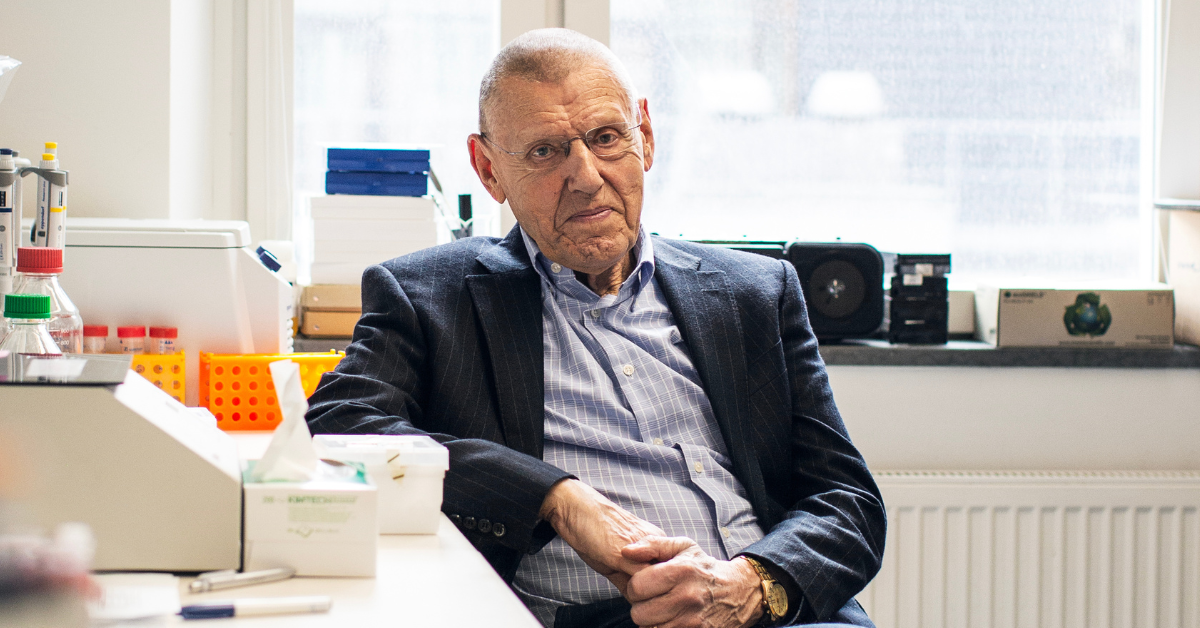
After completing his medical education at Lund University, Professor Stig Bengmark embarked on a long and distinguished career in academic surgery. He served as Professor of Surgery, Chief Surgeon, and Head of the Department at Lund University Hospital, with a primary specialization in liver surgery. However, a pivotal clinical observation at the hospital led him to shift his focus toward a new and profoundly influential area of research—the human gut microbiota and its critical role in health and disease.
A young physician at the clinic had been tasked with reviewing the outcomes of the 81 most recent major liver surgeries. Upon presenting his findings, the physician revealed that, contrary to prevailing clinical guidelines at the time, several patients had not received the standard postoperative antibiotic regimen, typically prescribed for one week after surgery. Initially, Professor Bengmark was alarmed—such an oversight was deemed unacceptable, especially at a leading university hospital expected to set the standard for best practices.
Yet, what followed was even more surprising. The physician reported that infections were observed exclusively among those patients who had received antibiotics. Remarkably, the patients who had not been given antibiotics remained infection-free. This counterintuitive outcome prompted Professor Bengmark to question whether antibiotics might inadvertently impair beneficial gut bacteria, thereby compromising the body’s natural defenses.
Driven by this discovery, Professor Bengmark began to explore the gut microbiota more intensively. His emerging hypotheses were soon supported by a growing body of research—both his own and that of others. Studies increasingly demonstrated that the gut microbiota plays a fundamental role in maintaining human health, particularly in modulating the immune system. In fact, approximately 70% of the immune system is localized within the gastrointestinal tract.
This insight became the foundation for a new line of inquiry focused on how to restore and support a healthy gut microbiota, particularly in the context of inflammation and immune dysfunction.
In 1999, Professor Bengmark initiated a research collaboration with fellow scientists aimed at identifying a combination of probiotic bacteria capable of exerting synergistic, anti-inflammatory effects. The project successfully isolated and patented four unique strains of lactic acid bacteria. These strains were carefully selected based on their ability to survive gastrointestinal transit and promote host health.
To further enhance bacterial viability and colonization, the team combined these strains with four complementary plant-derived dietary fibers. These fibers served as prebiotics—non-digestible food components that selectively stimulate the growth and activity of beneficial bacteria.
The resulting formulation was named Synbiotic 2000, reflecting the combined use of probiotics and prebiotics—a strategy known as synbiotics. Over the following years, Synbiotic 2000 was evaluated in a number of preclinical and clinical studies. Results consistently demonstrated the product’s ability to reduce inflammation, support restoration of the gut microbiota, and strengthen immune function.
Det ser ut til at du er i Norge. Besøk vår norske nettside her www.supersynbiotics.no